paleoironmom

fitness, food, family, and fashion

week 11 and 12 of marathon (and half marathon) training — August 23, 2015

week 11 and 12 of marathon (and half marathon) training

10 weeks until race day! During the next 2 weeks we  really start to get into the heart of training.  We have our 1st 20 mile run and we begin to incorporate some speed work.   For the next few weeks, I alternate between a 20 and 16 mile run on the weekends.  This is an advanced program.  If the mileage is too much for you, I recommend still doing the week day workouts and slowly increasing your weekend mileage up to 20 miles. Ideally, you should try to get in two 20 mile runs before your race. (and not on back to back weekends)

During this next phase of training,  I start adding in specific heart rate zone training and some interval running. Use last week’s training schedule found here as a reference for the different heart rate training zones. Here is quick breakdown:

  • Zone 1 (Z1) is 90-95% of your max heart rate (MHR)
  • Zone 2 (z2) is 86-89% of MHR
  • Zone 3 (z3) is 75-85% of MHR
  • Zone 4 (z4) is 65-74% of MHR

Also, I add in specific distnace interval runs, such as 400m hard, 200m easy.  There are a couple of way to tackle these workouts

  •  You can go to a local track
  • You can measure out a distance near your home
  • You can use your gps watch to track distance (for example 400m =0.25miles)
  • If you have a Garmin 910Xt watch, you can program a specific interval run into your watch. See the video clip below


Week  11 of  Marathon training: (10 weeks until race day)

Monday: 60 min of cross training (z1-z2) (I will swim 45 min since I did my long run yesterday)

Tuesday: 1:15 hr run (z2) 10 minutes into the run do 5 easy pick up runs (1 min faster, followed by 1 min jog. Repeat 5 times then return to your normal z2 pace.

Wednesday: 60 min cross training or easy run (z1-z2)

Thursday: 1:15 hr  run (z2) at 60 min do 5 easy pick up runs as described above

Friday: 60 min of cross training (z1-z2) (I will do same brick workout as Monday)

Sat: lesser of 20 miles or 3:10hr easy run (z1-z2) – be sure to bring along nutrition and run slow! (45-90 sec slower than race pace)

Sun: off or easy swim Continue reading
garlic and thyme roasted potatoes — August 18, 2015

garlic and thyme roasted potatoes

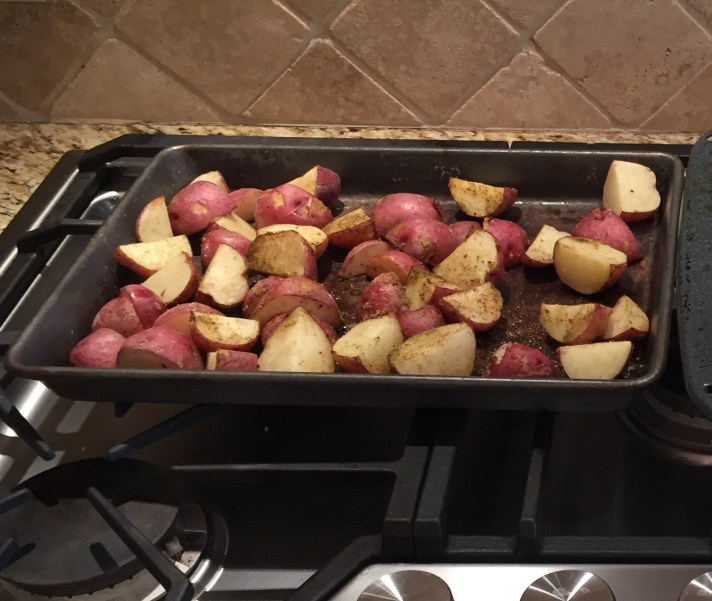
These garlic and thyme roasted potatoes are so simple.  I make them all the time when we have friends and family over because 1- they are quick and easy and 2-potatoes are cheap! They are also my oldest child’s favorite way to eat potatoes.  The recipe below uses 1lb of petite red potatoes which is enough for my family of 4 but you can easily double and triple the recipe

Garlic and Thyme Roasted Potatoes

1lb petite red potatoes

2 T olive oil

1 tsp coarse sea salt

½ tsp black pepper

1 tsp garlic powder

  1. Preheat oven to 425
  2. Rinse potatoes and cut into halves or quarters depending on the size of the potatoes
  3. Toss potatoes with olive oil, salt, pepper, garlic and thyme and spread evenly onto a baking tray
  4. bake at 425 for approxiamety 25 minutes or until golden brown

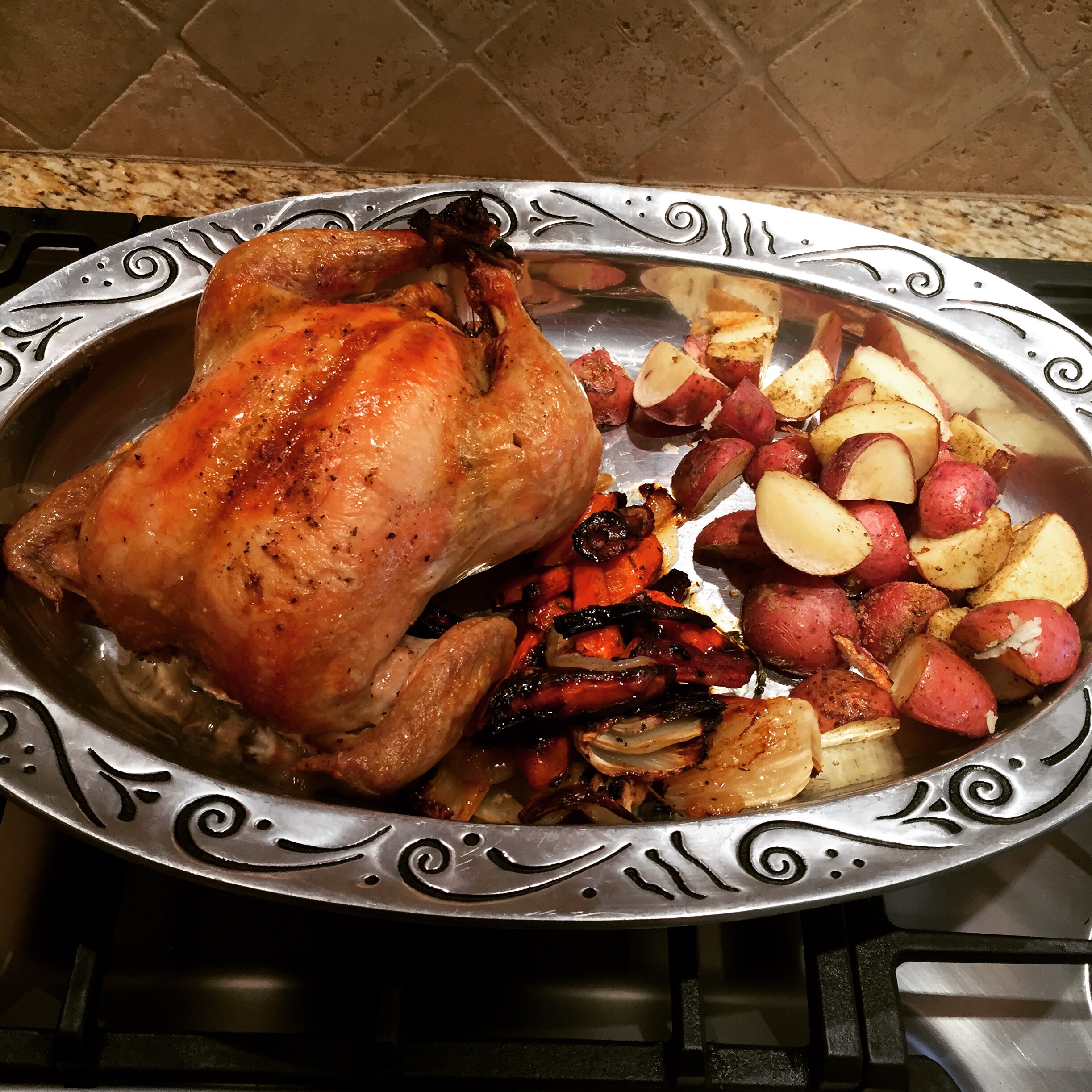
roasted chicken —
training nutrition — August 11, 2015

training nutrition

Training nutrition

What you eat before, during, and after your training sessions is almost as important as the training itself, especially on longer races like a marathon or half marathon.


Race day and Training Breakfast

I almost always run first thing in the morning so I try to eat what I plan
to eat on race day for breakfast  before all my longer run (90+ minutes). This way I can tell if my stomach can or can’t handle certain foods.

A typical race day breakfast should include the following:

  • 400-800 calories consisting of 80-100g of carbs
  • 12-20oz of fluids
  • Because I follow a paleo diet and eat fat every morning, I always include some sort of fat

Continue reading

almond milk — August 10, 2015

almond milk


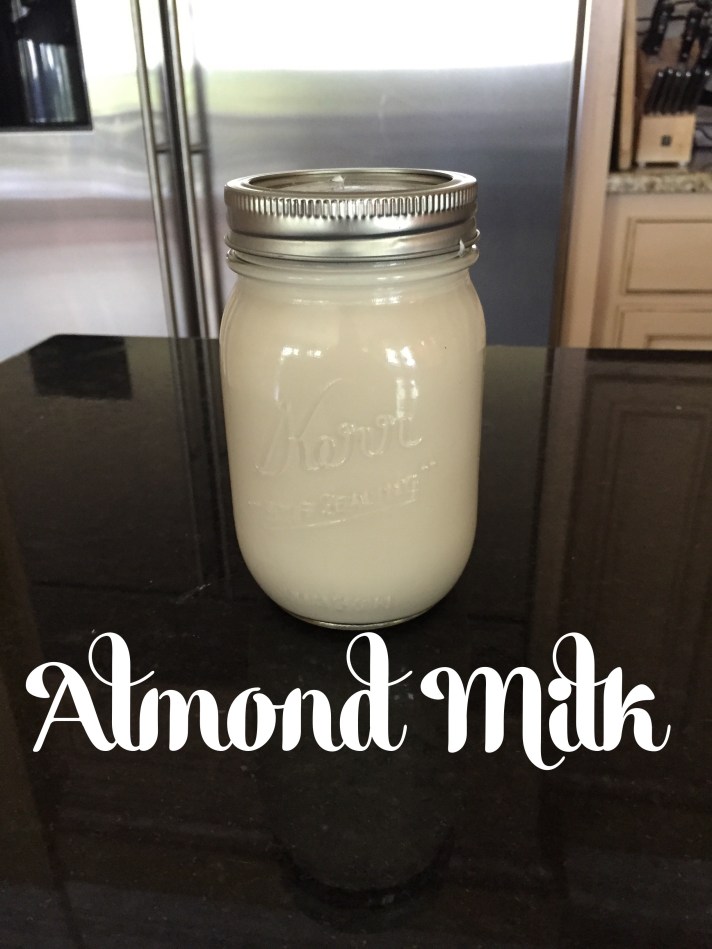
It is nearly impossible to find almond milk at a grocery or health food store without added chemicals and unwanted ingredients.  Making your own is so simple and takes very little time.  Here are the steps:

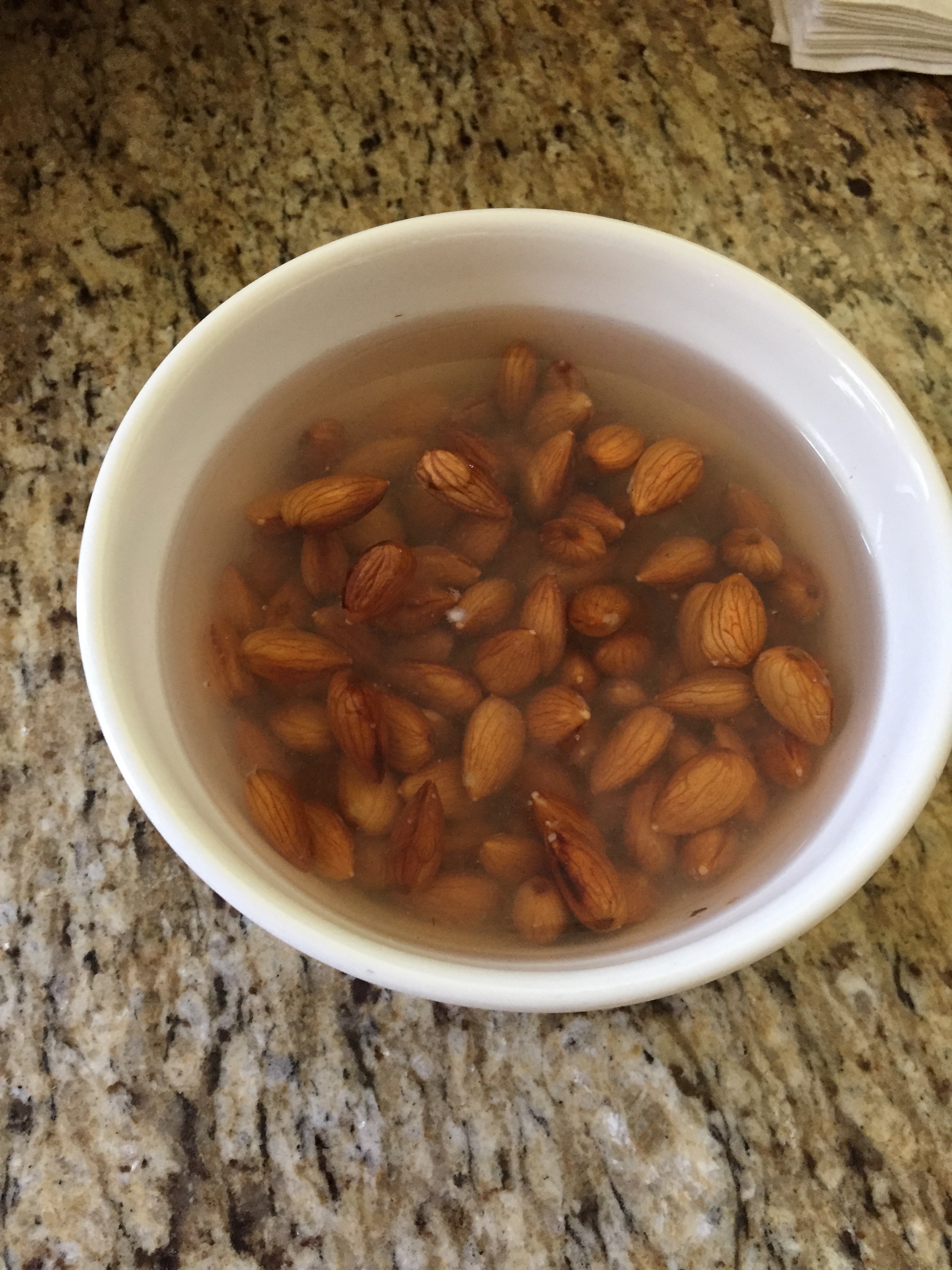
1. Soak 1 cup of raw almonds in 2 cups of filtered water at room temperature for 12-24 hours

image

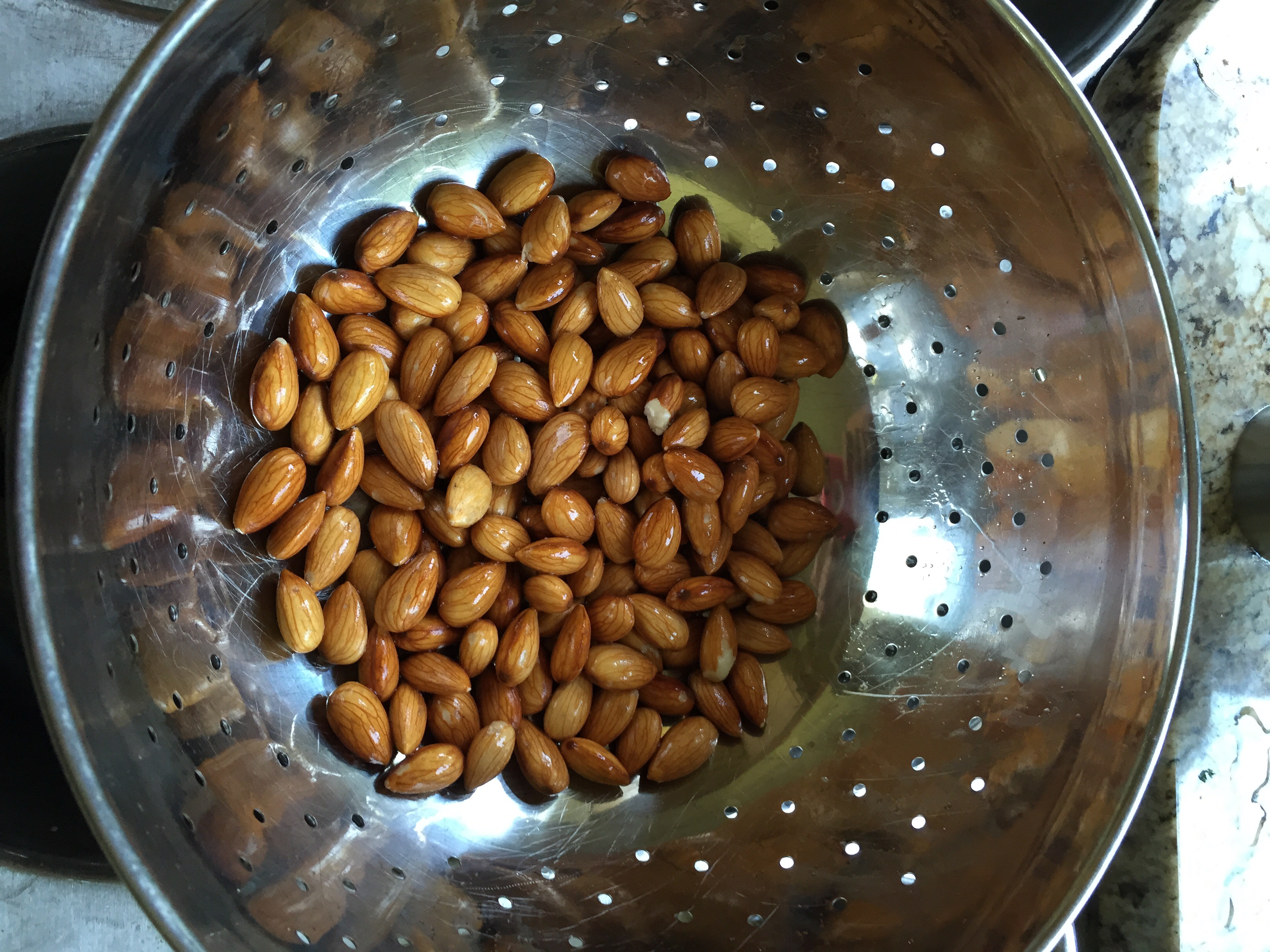
2. Rinse Almonds after soaking

image

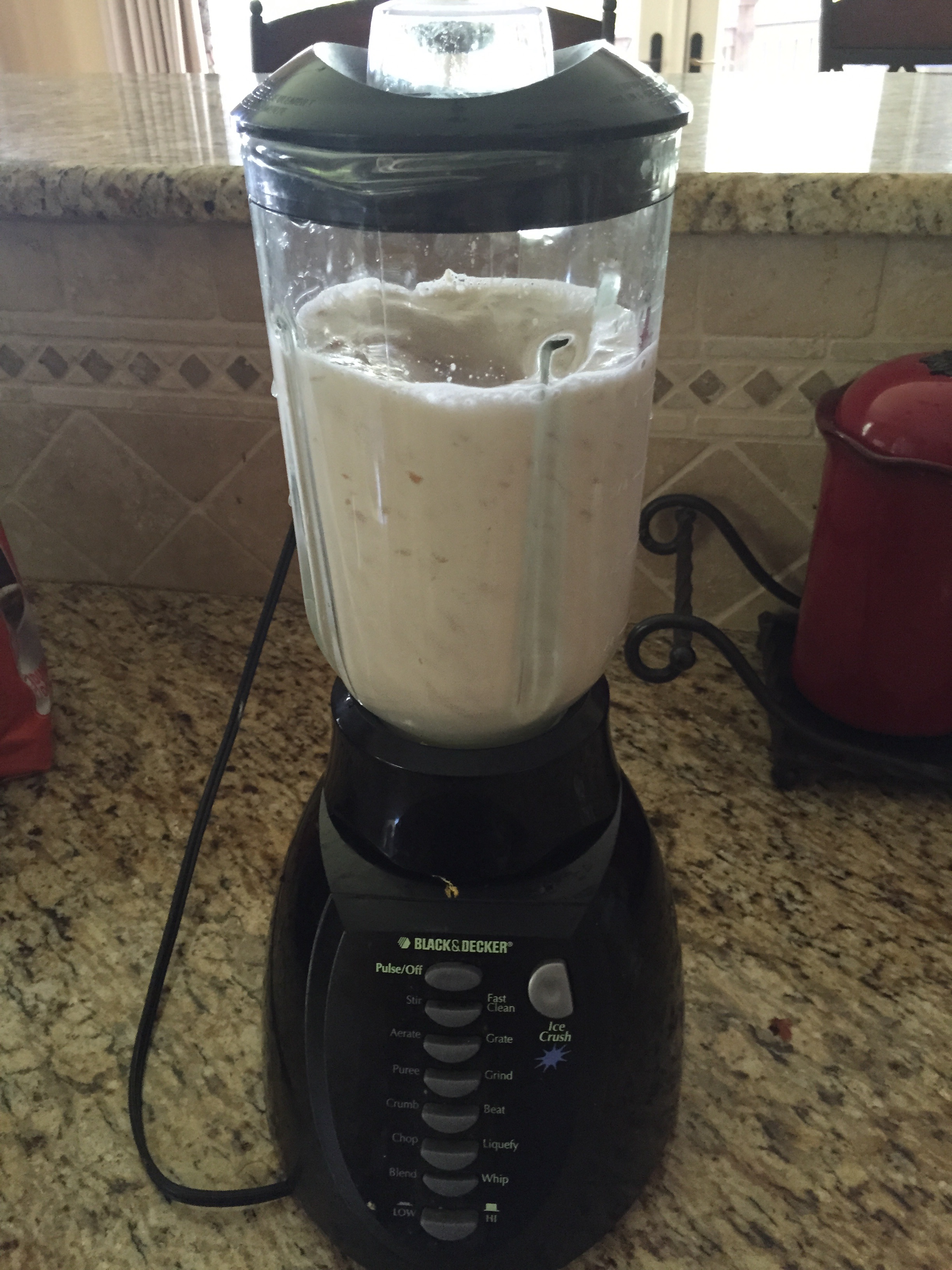
3. Add almonds and  3 cups of filtered or spring water to a good blender and blend away.  This is also the time you would want to add any additional flavoring (vanilla, cinnamon, cocoa, etc.  See below for more details)

image

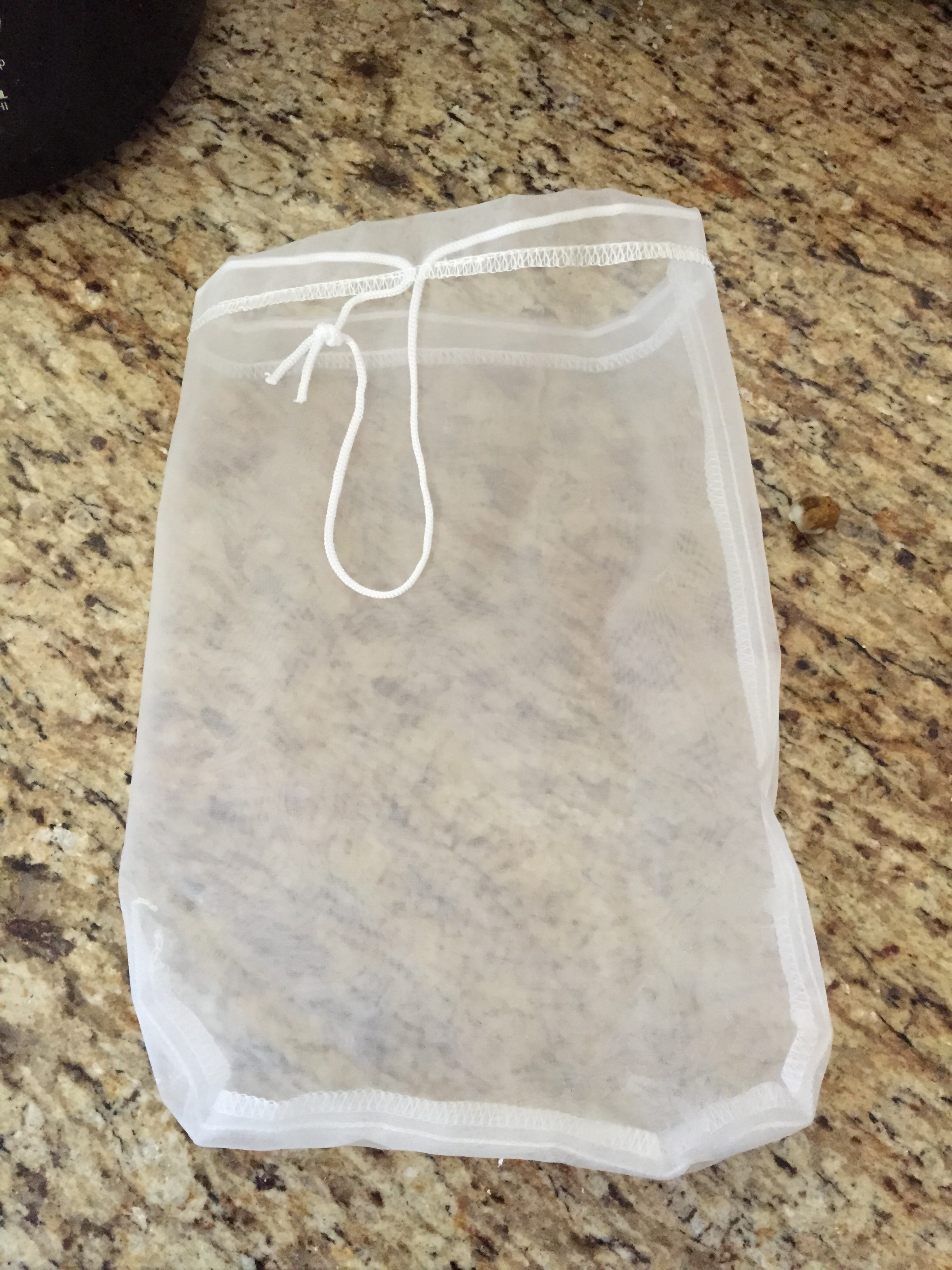
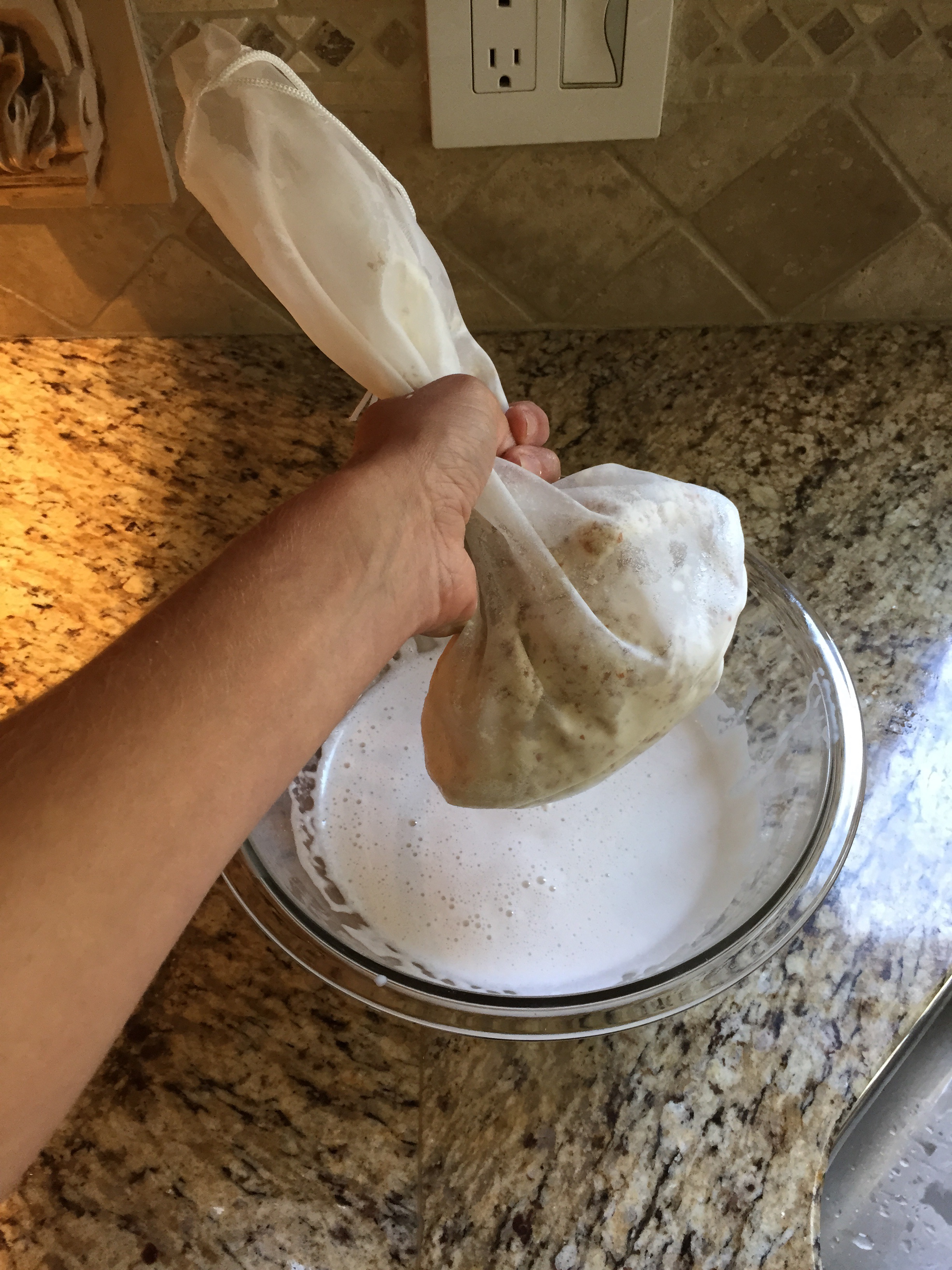
4. After blending, you want to strain the almond milk using a nut bag such as this. Be sure to take your time and get out as much milk as you can.  The leftover almond meal can be saved for other recipes

image

image

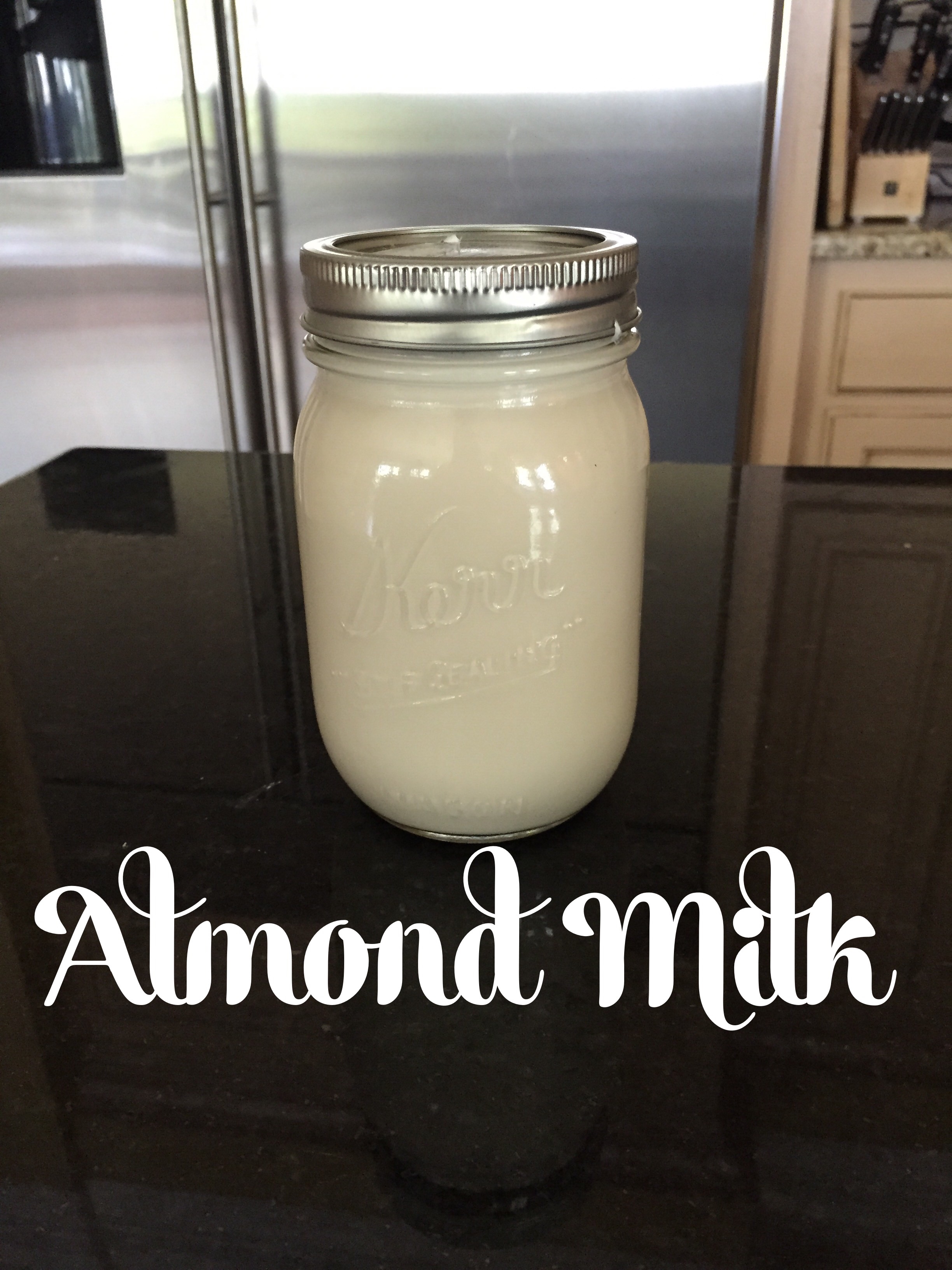
4. Add finished almond milk to a storage container and keep in the fridge for up to 5 days

image


**You can leave the milk plain or you can add in various flavoring options during the blending in step 3.  A few ideas include

  • 1 tsp high quality vanilla extract (not whole 30 compliant)
  • 1 vanilla bean, sliced and inside scraped into milk
  • 1 tsp cinnamon
  • 1-2 dates
  • 1-2 tsp honey (not whole 30 compliant)
  • 1 vanilla bean or 1 tsp vanilla  extract, 1T raw cacao powder, 2 dates
  • 1 vanilla bean or 1 tsp vanilla extract, 2 dates, 1/2 tsp cinnamon
  • 1/2 cup of fresh strawberries
  • 1-2 T of raw cocoa powder, 1 T maple syrup, dash of cinnamon (not whole 30 compliant)
  • also can use coconut water in place of filtered water in step 3 for coconut almond milk (can also add in 1/2 tsp of cinnamon)
week 9 and 10 of marathon (and half marathon) training — August 9, 2015

week 9 and 10 of marathon (and half marathon) training

We getting into the heart of training now and  increasing our mileage over the next two weeks so make sure to pay attention to your body. If your knee, hip, etc start to bother you be sure to start icing for 15 minutes after you run. This really make a huge difference.  Also, as you increase your mileage you need to make sure you start to practice your race day nutrition.

Use last week’s training schedule found here as a reference for the different heart rate training zones. Here is quick breakdown:

  • Zone 1 (Z1) is 90-95% of your max heart rate (MHR)
  • Zone 2 (z2) is 86-89% of MHR
  • Zone 3 (z3) is 75-85% of MHR
  • Zone 4 (z4) is 65-74% of MHR

Week  9 of  Marathon training: (12 weeks until race day)

Monday: 60 min of cross training (z1-z2) (I will do a 45 min ride followed by a 15 min brick run)

Tuesday: 1:15 hr run (z2)

Wednesday: 45 min cross training or easy run (z1-z2) (I plan to swim)

Thursday: 1:15 hr  run (z2)

Friday: 60 min of cross training (z1-z2) (I will do same brick workout as Monday)

Sat: 2:00 hr easy run (z1-z2) – be sure to bring along nutrition and run slow! (45-90 sec slower than race pace)

Sun: off or easy swim Continue reading
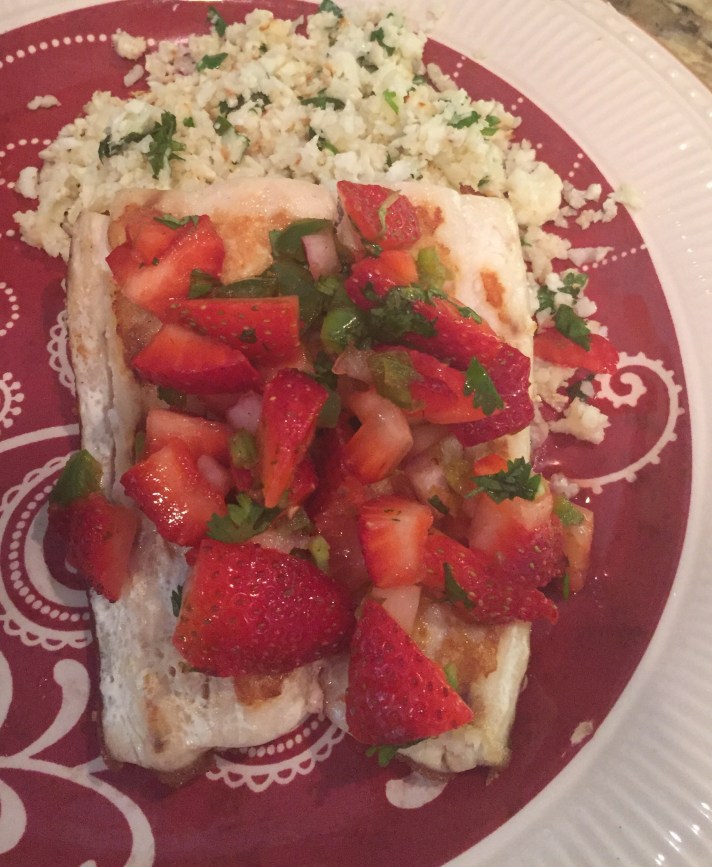
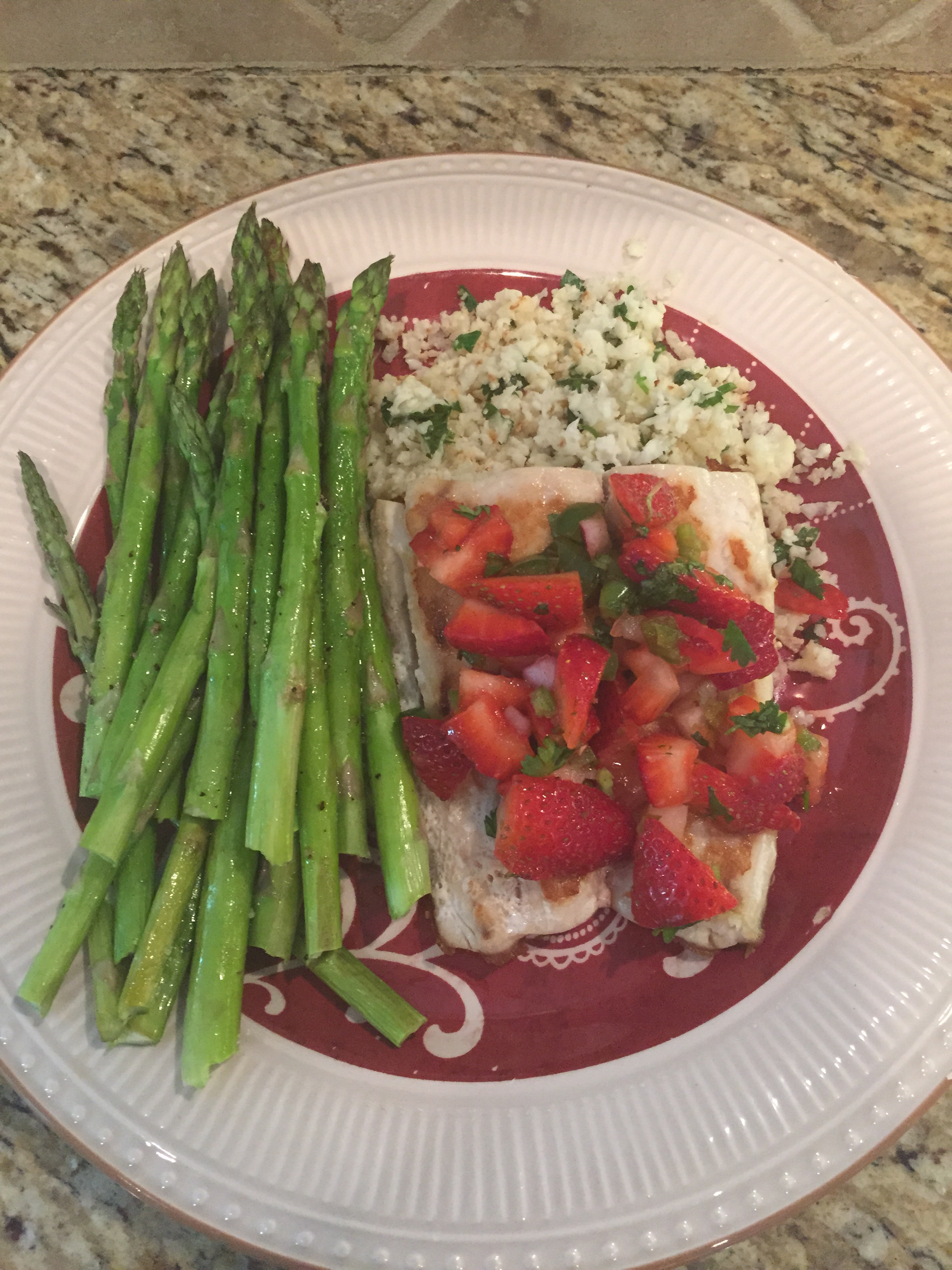
pan seared mahi mahi with strawberry lime salsa and cilantro lime cauliflower rice — August 5, 2015

pan seared mahi mahi with strawberry lime salsa and cilantro lime cauliflower rice

image

Pan Seared Mahi with Strawberry Lime Salsa

1 cup strawberries, diced

1/2 jalapeno, seeded and diced

1 T red onion, diced

1 T cilantro, chopped

1 Lime, zest and  juice of

2-4 Mahi fillets

1 T coconut oil

1 tsp coarse sea salt

1.Mix together strawberries through lime juice in a bowl and set aside

2. Pat dry mahi fillets and season with salt

3. Heat coconut oil in skillet over medium -high heat

4. Once skillet is hot, add fish and cook for 5-7 minutes on each side or until done

5. Remove cooked fish from skillet and top with salsa

Cilantro Lime Cauliflower Rice

1 head of cauliflower

1/2 sweet onion, diced

1 garlic clove, minced

1/4 cup cilantro, chopped

1 lime, zest and juice of

1T coconut oil

1. Use food processor or grater to chop  cauliflower to desired “rice” texture

2. Heat coconut oil in a large skillet over medium heat  and cook onions 5 minutes, stirring occasionally.  Add in garlic and cook another minute

3. Add cauliflower rice and cook approximately 7-8 minutes over medium low heat.

4. Remove from heat and add in lime zest, lime juice and cilantro

5. You can also add in salt and pepper to taste if desired.

weekly food prep — August 2, 2015

weekly food prep

Prepping food is probably the most important thing to do when are doing whole 30, or any healthy lifestyle.  Taking one day a week to prep food, means you have food ready for easy breakfasts and lunches. I usually do this on Sunday and will plan to make chicken and sweet potatoes for our family dinner that night so I’m only making extra food vs. a whole separate dish.  My weekly prep is as follows:

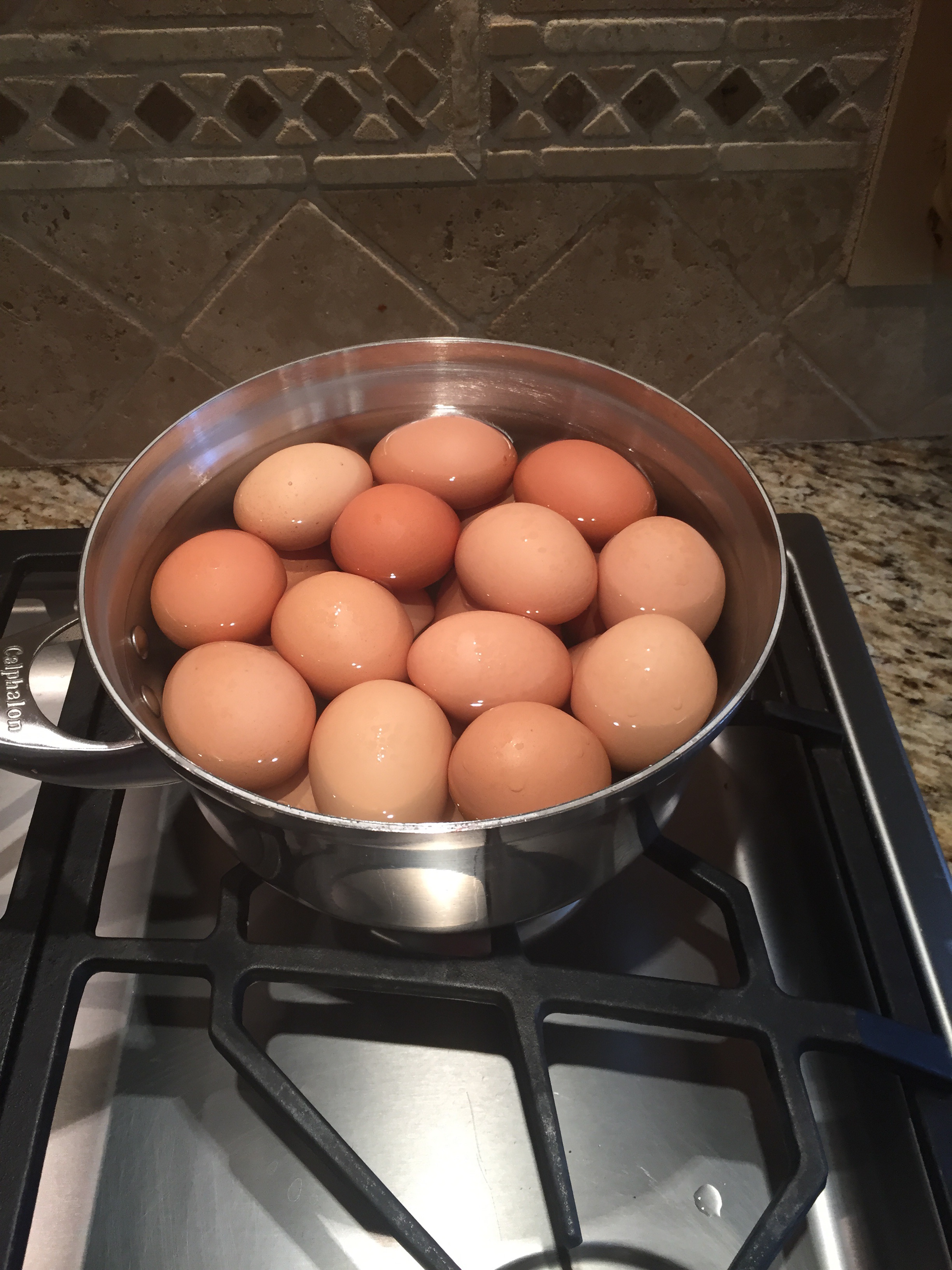
  • hard boil and peel 1-2 dozen eggs.  It is much easier to peel eggs when they are still hot, plus this way they are ready to go when you need them. I usually boil my eggs as I unload my weekly groceries.  If I add the eggs to water and bring to boil, they are usually done by the time I finished putting my groceries away.  Having hard boiled eggs on hand makes for an easy and quick breakfast or pre-workout meal.


image Continue reading

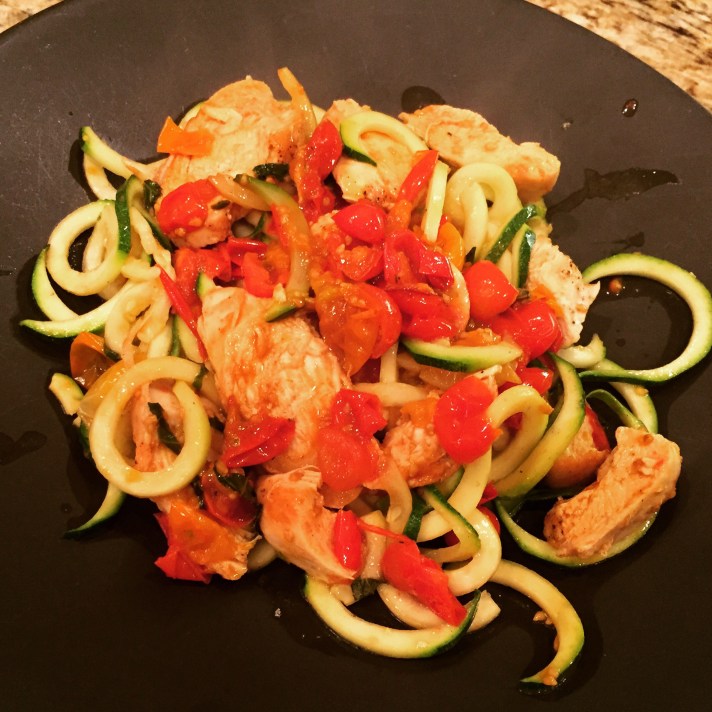
tomato basil chicken — July 29, 2015

tomato basil chicken

This was one of my favorite “pre-paleo” recipes during the summer when tomatoes are in season.  It is so simple to make and leftovers are just as good! Here this the original recipe:

I basically followed the original recipe and  substituted ghee and zoodles for butter and pasta.

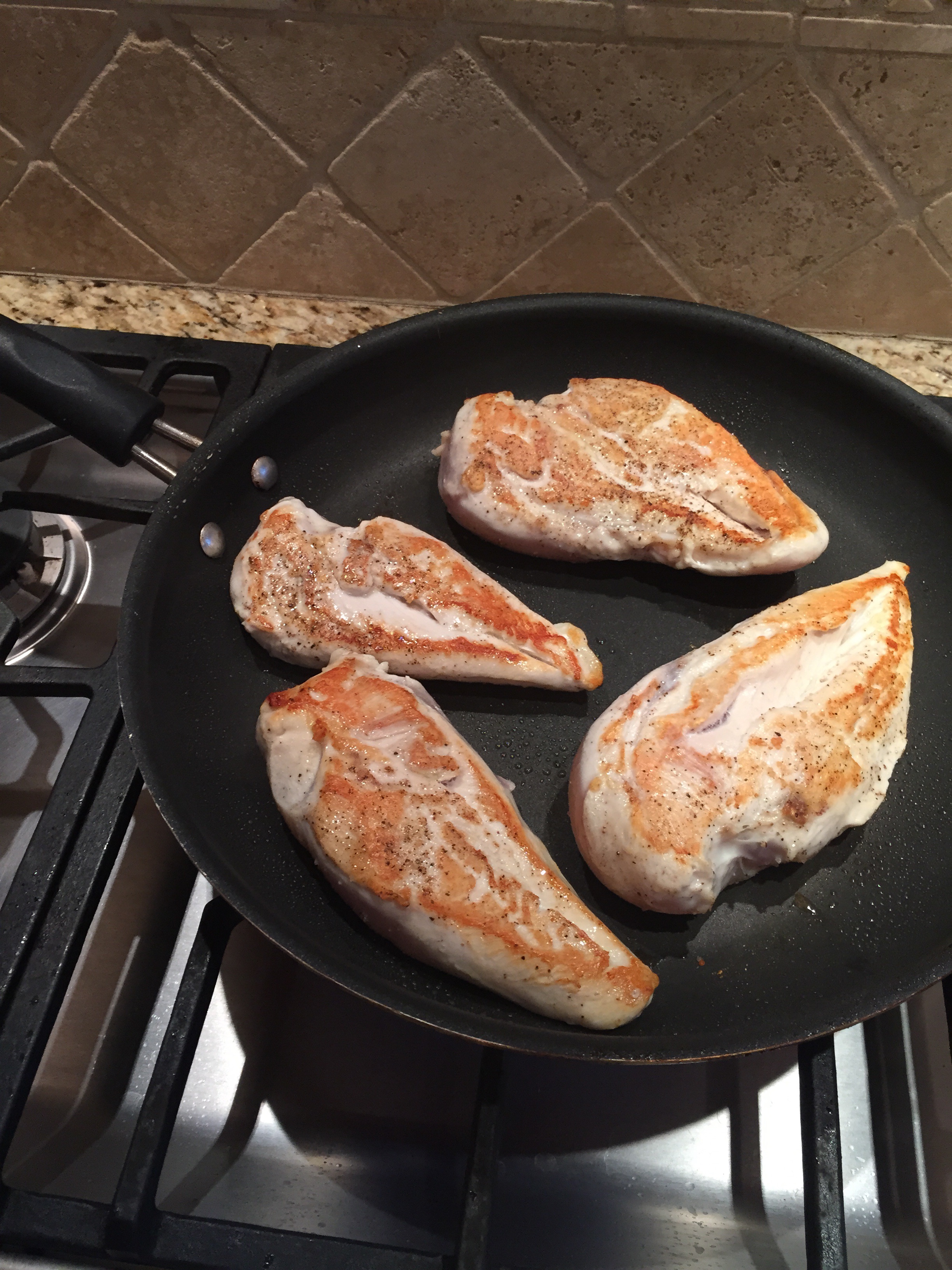
First, I take 4 chicken breasts and season with coarse sea salt and pepper.  I heat avocado oil in a large skillet on medium high temperature and brown both sides of the chicken.  I do this often when I cook chicken in the oven.  It gives it a lot more flavor.  After both sides of the chicken are browned, I turn off the stove and transfer the chicken to a baking dish and bake at 400 for 20-25 min or until done.

image

While the chicken is cooking I cut up 2 cups of cherry tomatoes, thinly slice ¼ cup of fresh basil and mince 2 cloves of garlic and set aside.

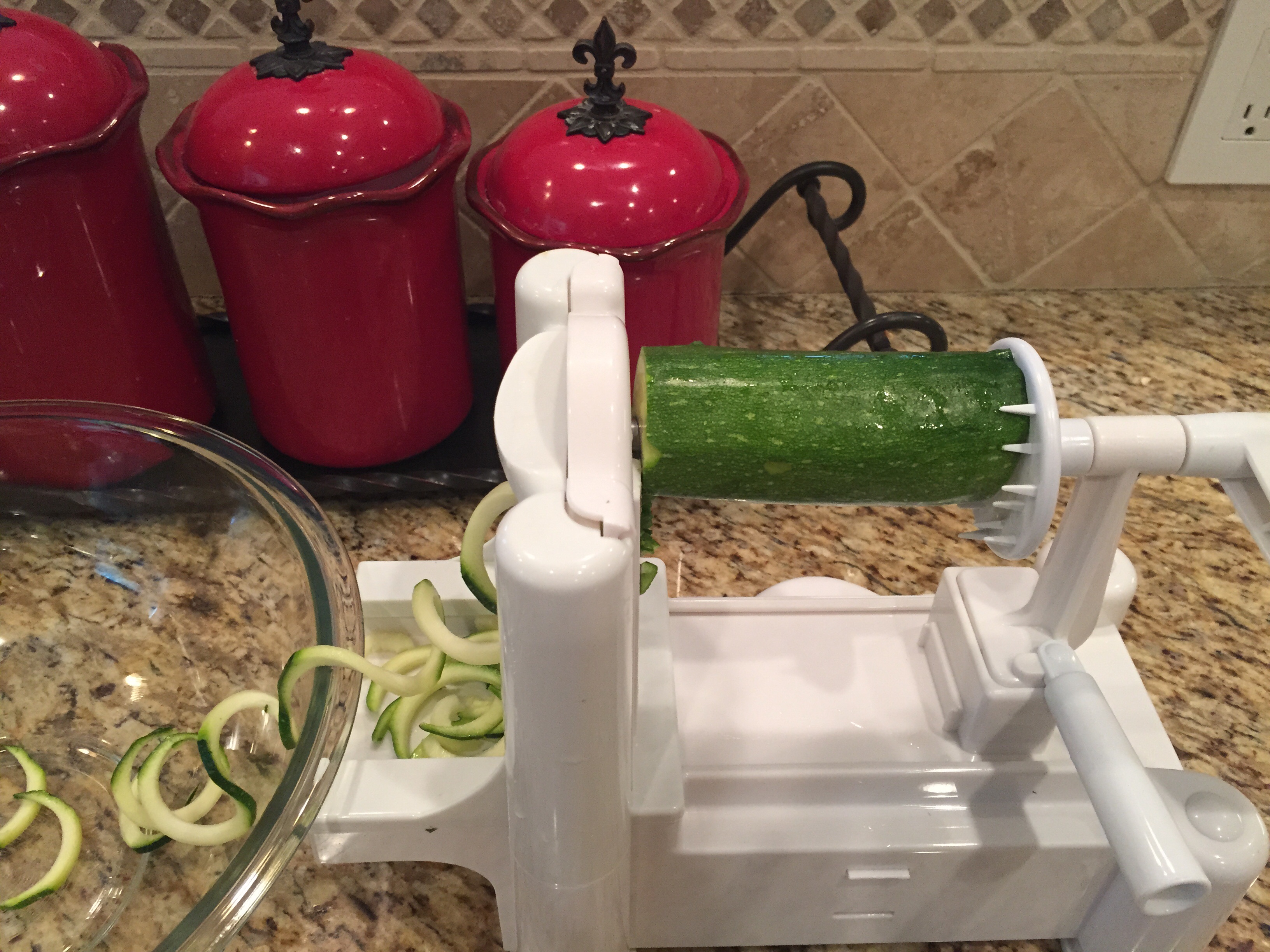
Next, I use my Spiralizer on 2 large zucchinis.  I like to use the thicker blade on the Spirilazer.  This way the zoddles have a little bit of a bite to them, similar to pasta.

image Continue reading

training hydration — July 28, 2015

training hydration


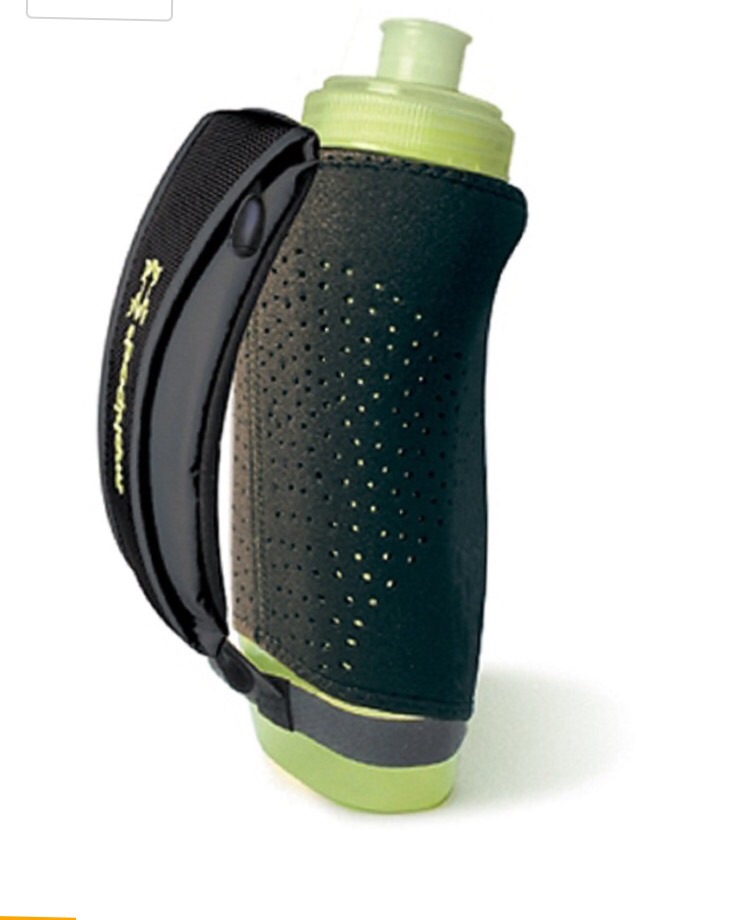
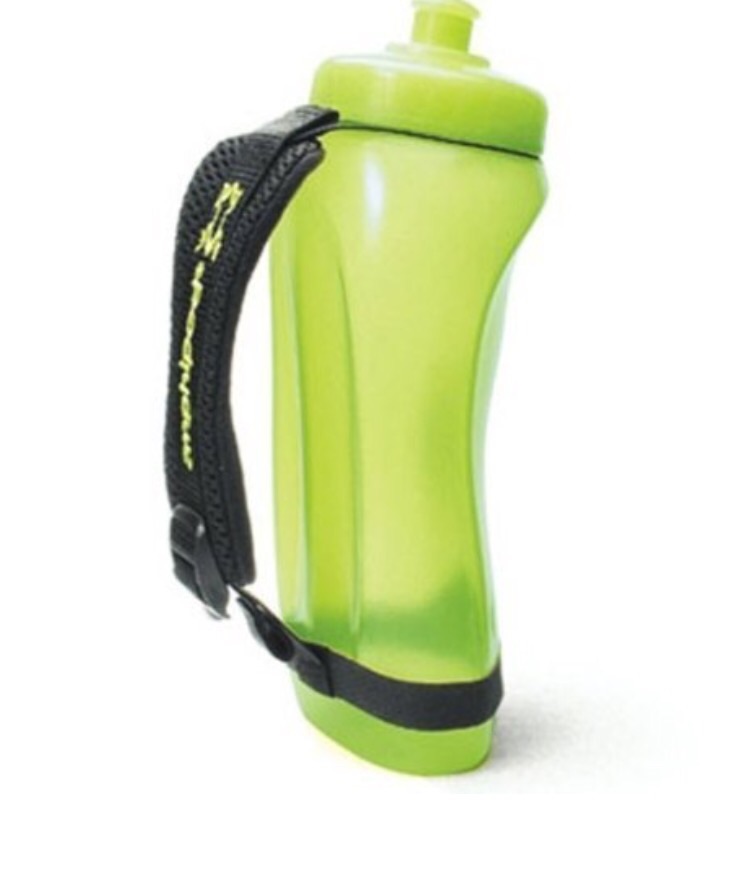
Amphipod Handheld bottle

imageimage

Hydration during your workouts is important especially during the summer months.  I bought these 2 Amphipods running water bottles a few years ago from a local running store and I love them.  Click here for the 12 oz bottle and here for 20 oz bottle.   These bottles are nice because they  follow the curve of your hand and are very comfortable to run with.  They come with a removable insulated cover that has a pouch that fits 2 gel packets or a small bar like a Larabar.  I personally don’t like running belt hydration systems like this one.  I feel as though they weigh you down and aren’t very comfortable to run with.


What I put in my bottles Continue reading